Factor the effects of climate change into our business decisions and operational plans.
Previous
Next
Emissions
Reduction
Assess and reduce our carbon footprint as well as measure the emissions compensated or avoided by our renewable energy generation.
Previous
Next
Water
Management
Minimize our consumption of water as a non-renewable resource and ensure water quality is not negatively affected by our operations.
Previous
Next
Waste
Management
Implement the effective and necessary measures and procedures to carry out the storage, treatment, and final disposal for the generated waste in the Company’s operations.
Previous
Next
Biodiversity
Contribute to the protection of biodiversity by proactively applying a prevention-focused management and oportunately mitigation measures, working with stakeholders to identify, avoid, mitigate, minimize or compensate impacts.
Our Commitment
Climate Change Strategy Factor the effects of climate change into our business decisions and operational plans.
Emissions Reduction Assess and reduce our carbon footprint as well as measure the emissions compensated or avoided by our renewable energy generation.
Water Management Minimize our consumption of water as a non-renewable resource and ensure water quality is not negatively affected by our operations.
Waste Management Implement the effective and necessary measures and procedures to carry out the storage, treatment, and final disposal for the generated waste in the Company’s operations.
Biodiversity Contribute to the protection of biodiversity by proactively applying a prevention-focused management and oportunately mitigation measures, working with stakeholders to identify, avoid, mitigate, minimize or compensate impacts.
.
Protecting the Planet Through Clean
Energy
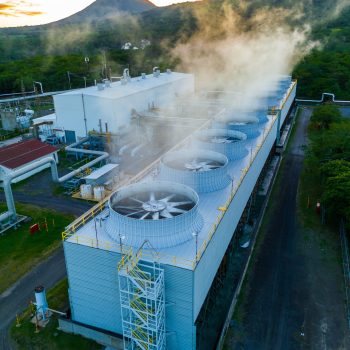
Protecting the environment and operating responsibly are at the core of Polaris’ mission as a renewable energy company. Our clean energy portfolio contributes directly to decarbonization by displacing emissions that would otherwise come from fossil fuel generation, while environmental stewardship is embedded into our operational practices.
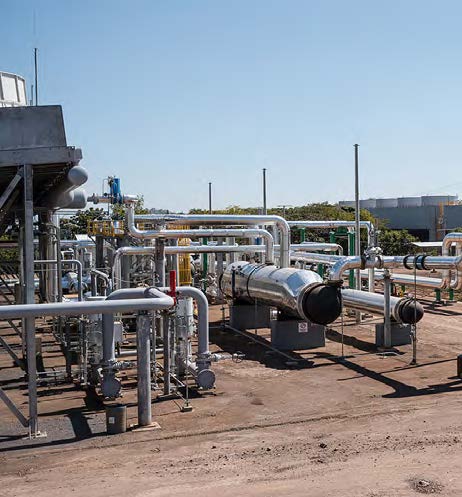
Polaris continues to strengthen its clean energy platform as part of its long-term commitment to the transition toward low-carbon energy systems. With a diversified portfolio that includes geothermal, run-of-river hydro, solar, and wind generation, the Company is among the few renewable energy producers in the region operating across multiple renewable technologies. This diversified platform enhances energy reliability and resilience while increasing the positive climate impact of our operations.
In parallel, Polaris actively manages the environmental footprint of its activities. The Company measures its corporate carbon footprint across all operations to better understand emissions sources, identify opportunities for improvement, and guide emission-reduction and mitigation strategies across the value chain. This includes monitoring emissions under Scopes 1, 2 and 3, strengthening transparency and supporting more comprehensive climate management.
As part of this approach, Polaris also advances voluntary carbon compensation initiatives and continues to implement actions aimed at minimizing the climate impact of its operations while contributing to broader national and regional climate goals.
Polaris recognizes climate change as a material operational and strategic risk, particularly for hydrologically and meteorologically dependent assets. To strengthen climate resilience, we conduct Climate Risk Assessments and implement operational controls. Our climate resilience actions include infrastructure reinforcement, environmental protection, updated operational protocols, and the implementation of our IMS.
Purchased energy from net, includes corporate offices.
Scope 3
183.50
155.30
Business travel, local staff travel, solid waste, wastewater, third party fuel consumption.
Total
890
939
Water Stewardship and Responsible Water
Use
Water is a critical shared resource for the communities and ecosystems where Polaris operates. The Company applies responsible water management practices designed to ensure efficient use, protect local ecosystems, and maintain long-term operational resilience.
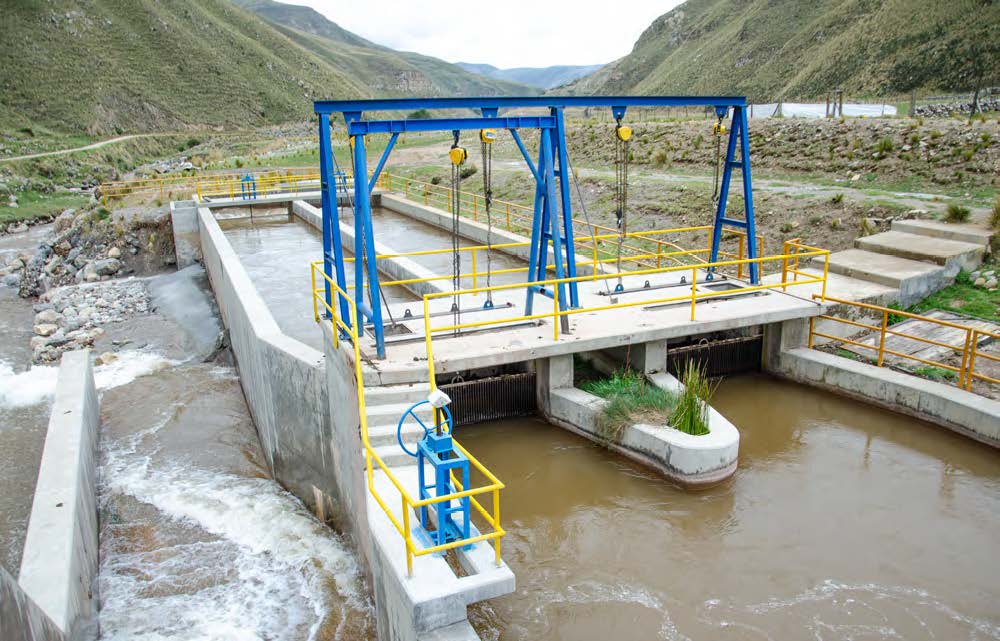
Across our hydro and geothermal operations, water used during the power generation process is returned to the same river or reservoir, ensuring the integrity of the natural system and preserving water availability for surrounding communities and environments.
Polaris regularly assesses its water footprint across all operations to strengthen water stewardship practices and support responsible resource management.
80%+ of total water withdrawal returned to the natural system.
Low water intensity across all operations.
Waste Management
Polaris applies responsible waste management practices across all operations to minimize environmental impacts and ensure safe disposal, treatment, and recycling. All hazardous waste is managed through certified suppliers and authorized facilities in accordance with national regulations and international environmental standards
61%
Recycled
30%
Hazardous Waste
8%
Non-hazardous portfolio. municipal waste
100%
Hazardous waste properly treated and disposed.
0
Hazardous waste management incidents reported across the 8% non-hazardous portfolio.
Standardized waste management procedures in place across all operations.